





Evergreen Environmental Law is dedicated to protecting clients’ properties against bad actors who contaminate, trespass, and cause other property damages.
What Does Contamination Look Like?
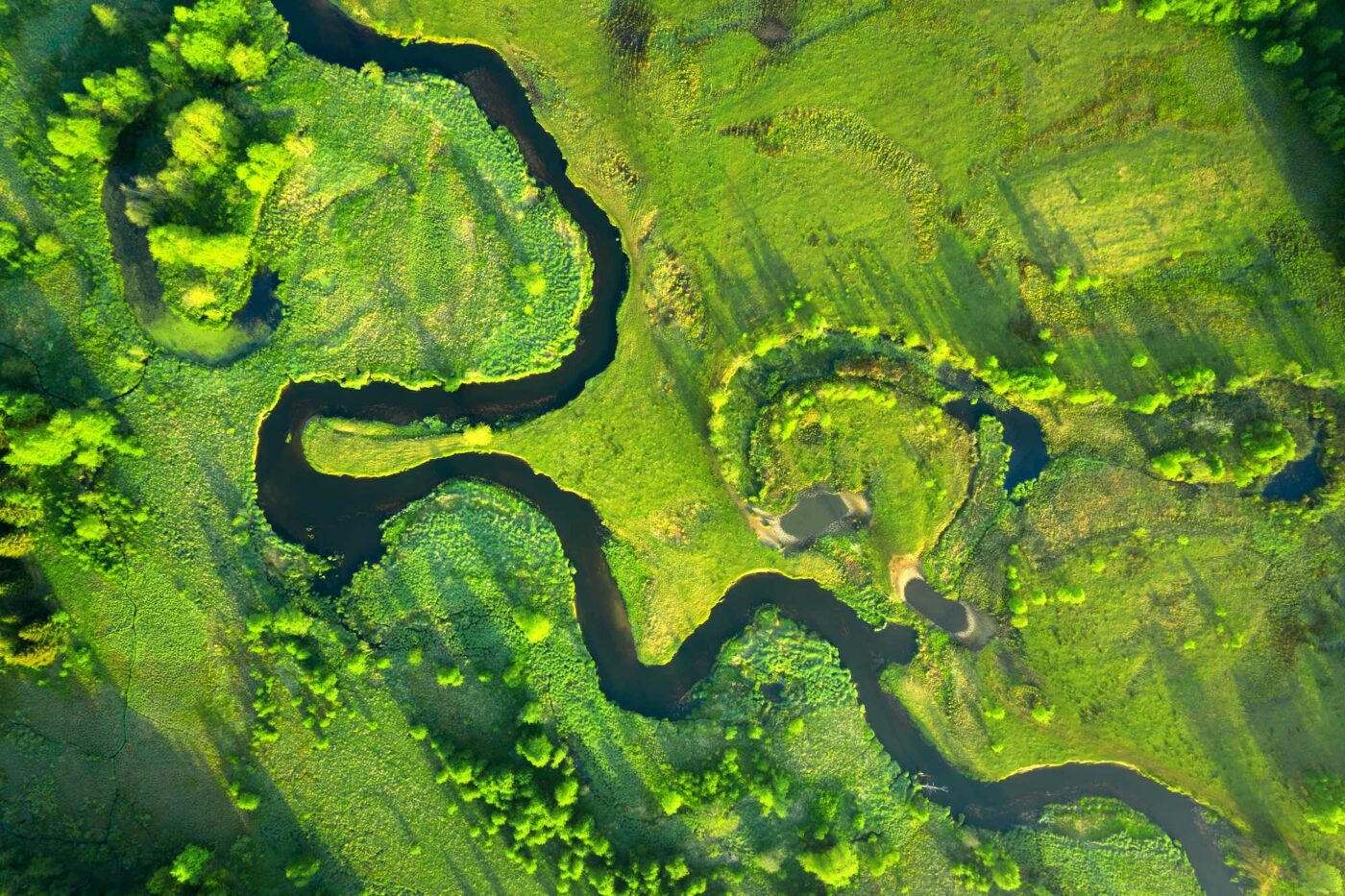
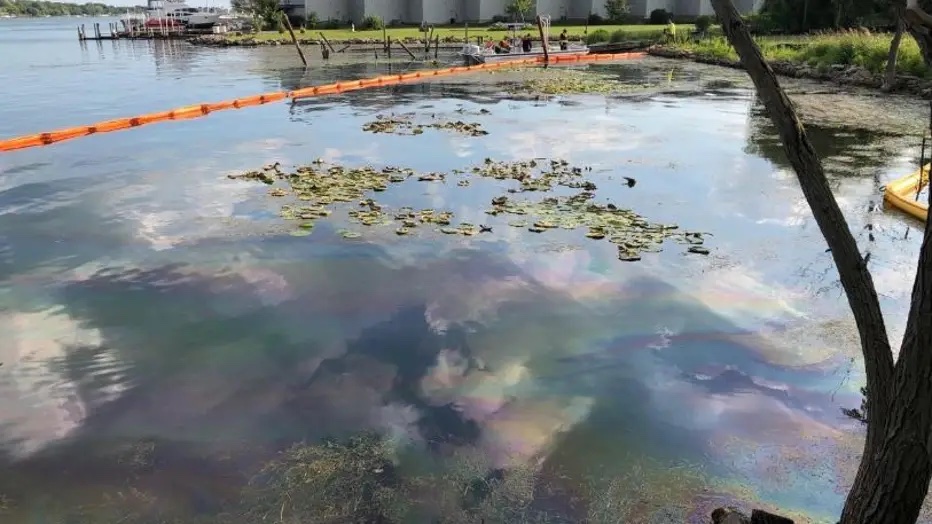
Visible Sheen On Water
A sheen harms aquatic life through toxicity and reduces oxygen exchange at the surface. Sheens on water are some of the most visible and easily identifiable contamination outcomes, as even a small amount of oil can stretch the sheen over a very large span of water.
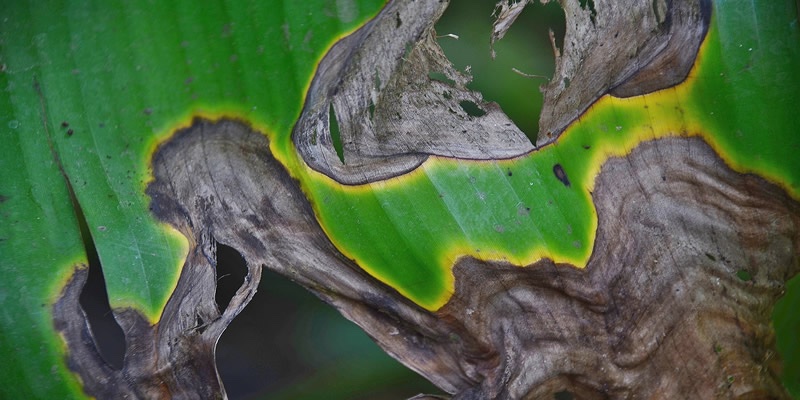
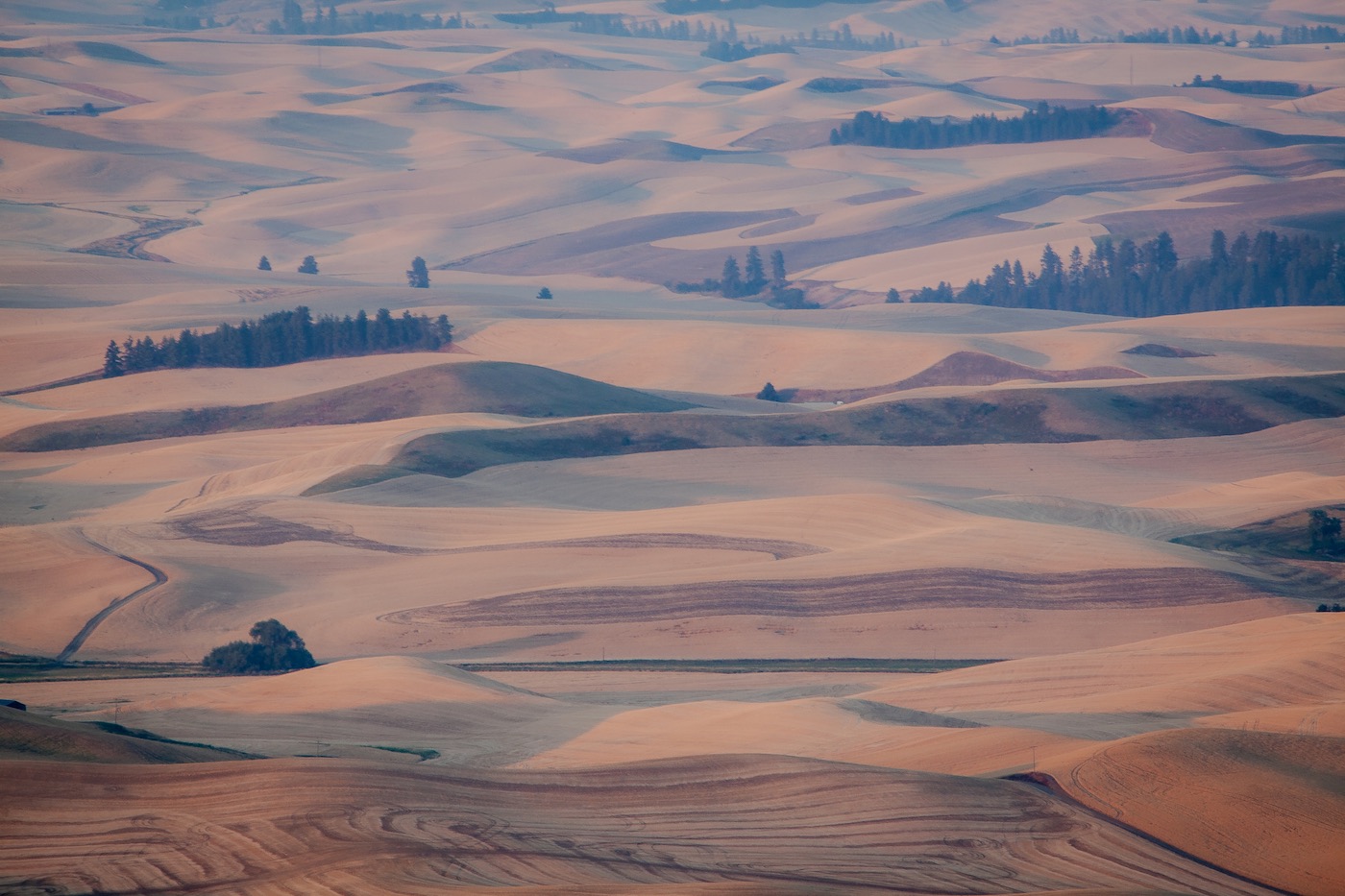
Loss of Crops, Orchards, and Native Plants
Major plant loss is a frightening result of contamination because it can lead to crop collapse, jeopardize an organic farm operation, reduce property values, or weaken local ecosystems.
Foul Odor or Unpleasant Smell
Volatile aromatic chemicals, sewage, industrial operations, or decaying waste can create many types of disgusting smells, and these smells often indicate airborne pollutants that can irritate eyes and lungs, or worse.
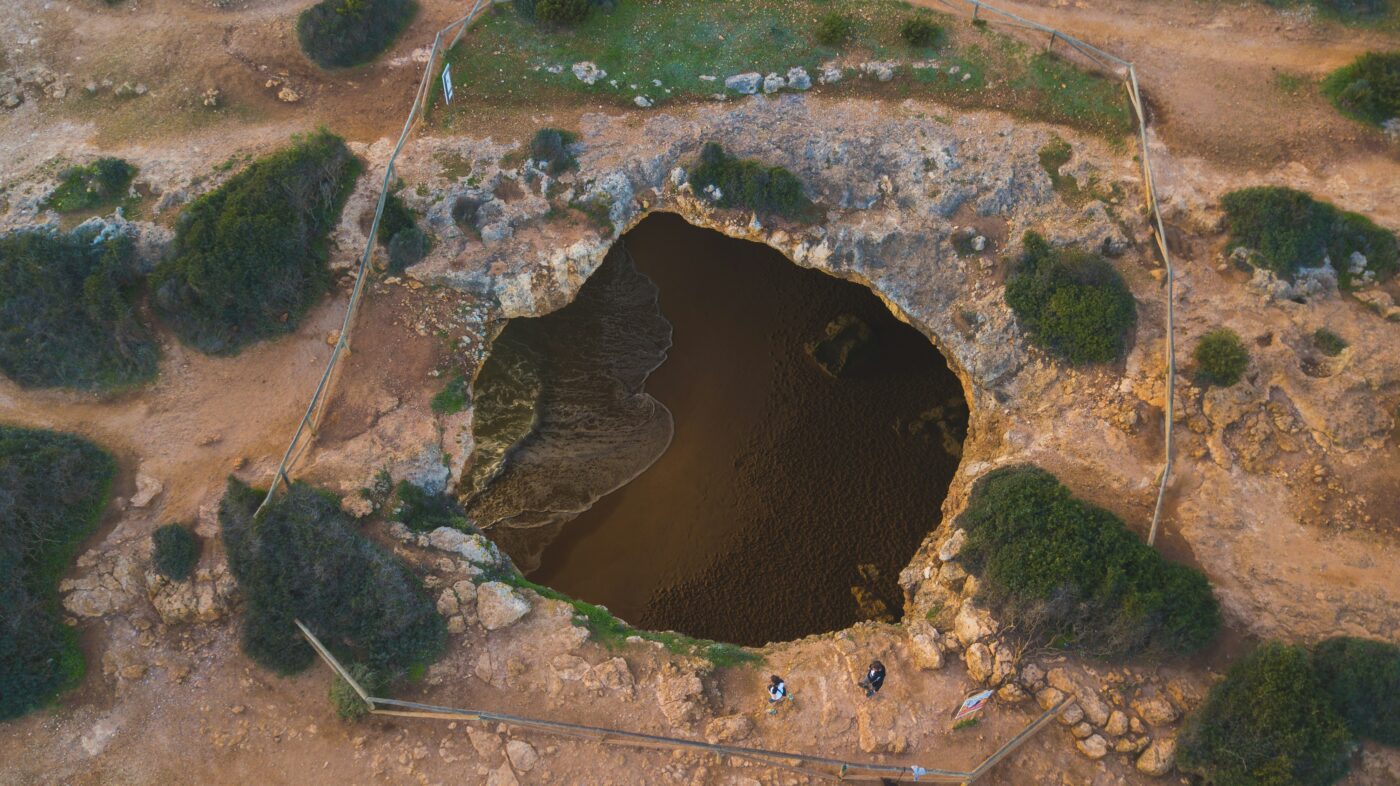
Construction, Demolition, and Excavation
Construction projects can sometimes contaminate soils, air, or water by improper waste handling and spreading dust into the surrounding area. These are frequent targets for environmental regulators; however, neighbors generally feel the brunt of the pain.
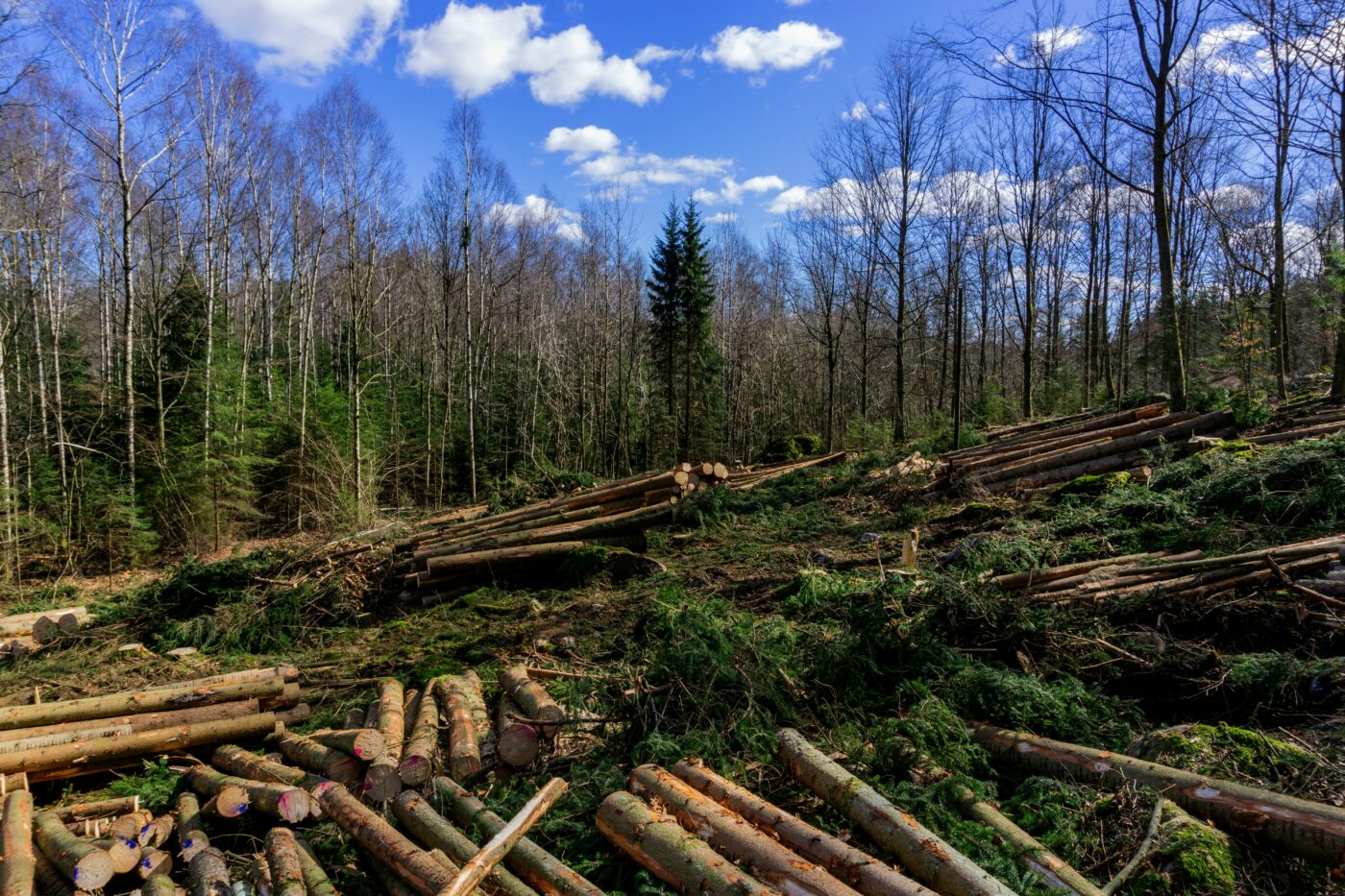
Illegal Tree Harvesting
Development clearing or illegal logging activities sometimes take too many trees or the wrong trees, increasing soil erosion and further degrading wildlife habitat. Property owners of these trees can make a litany of claims against such illegal tree felling.
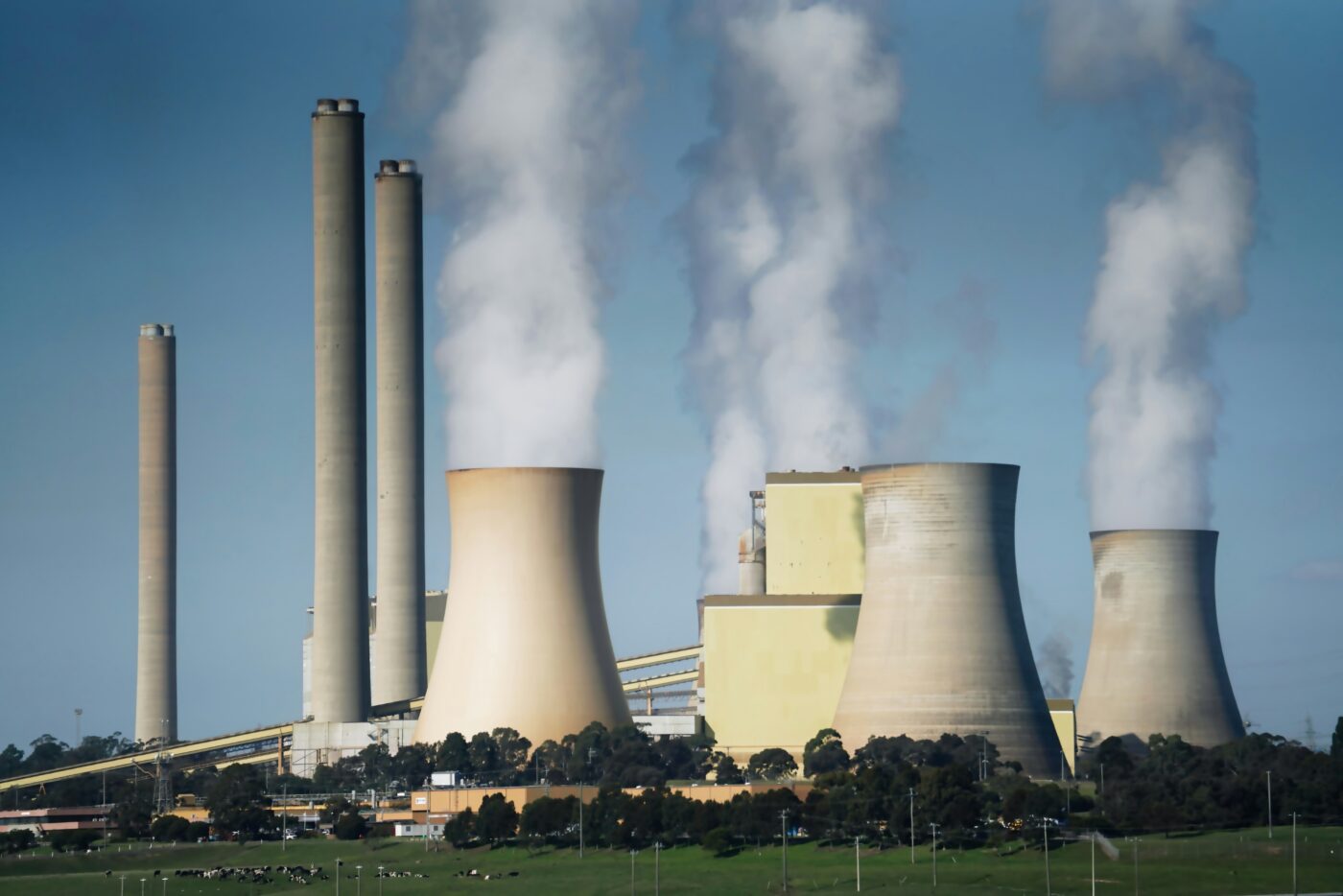
Industrial Facilities
Major industrial facilities are strictly regulated for their inputs and outputs, such as air emissions from smokestacks. However, regulators generally cannot catch every violation and may not adequately protect the interests of nearby landowners.
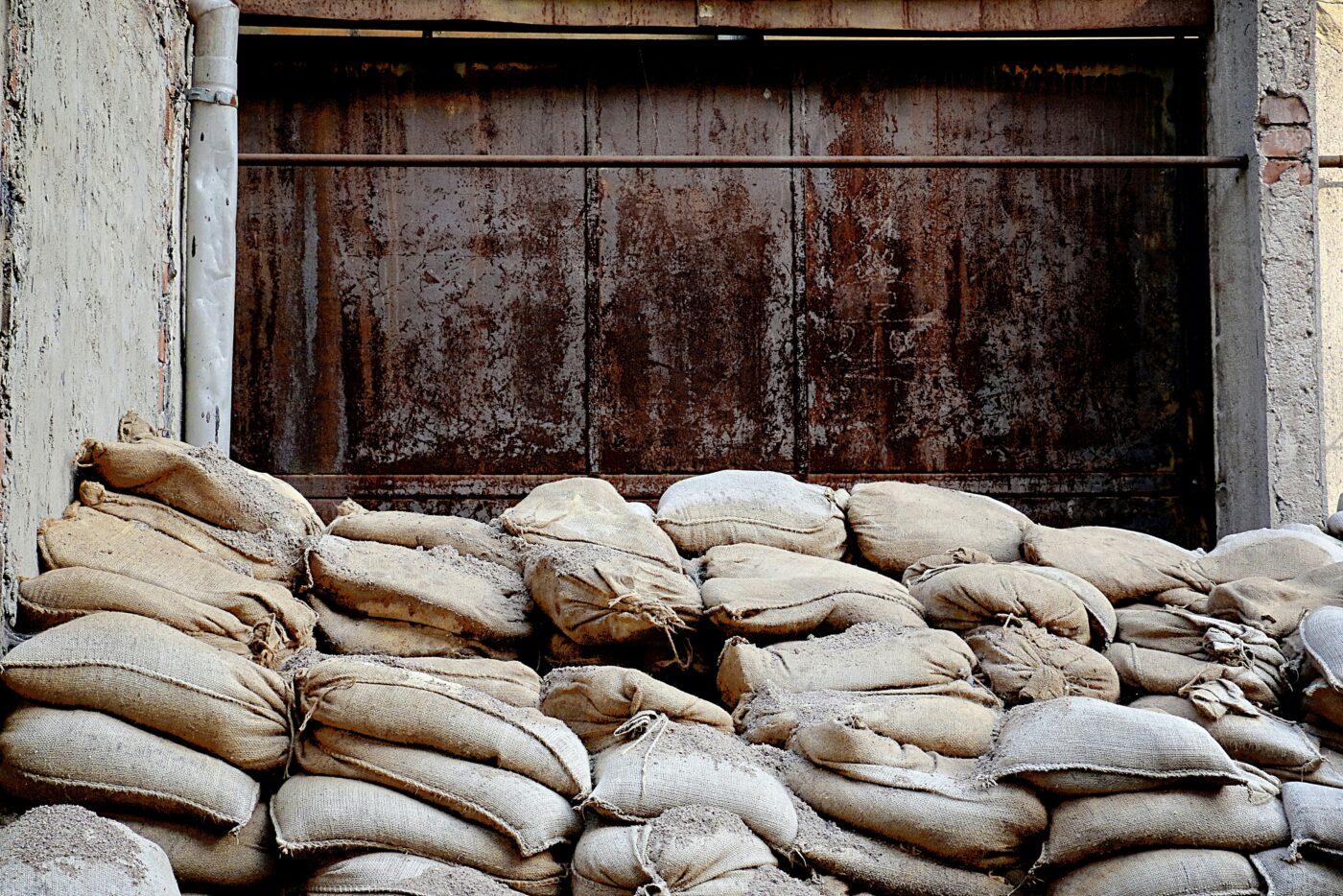
Sandbagging
It is never good when you see someone sandbagging in your vicinity.
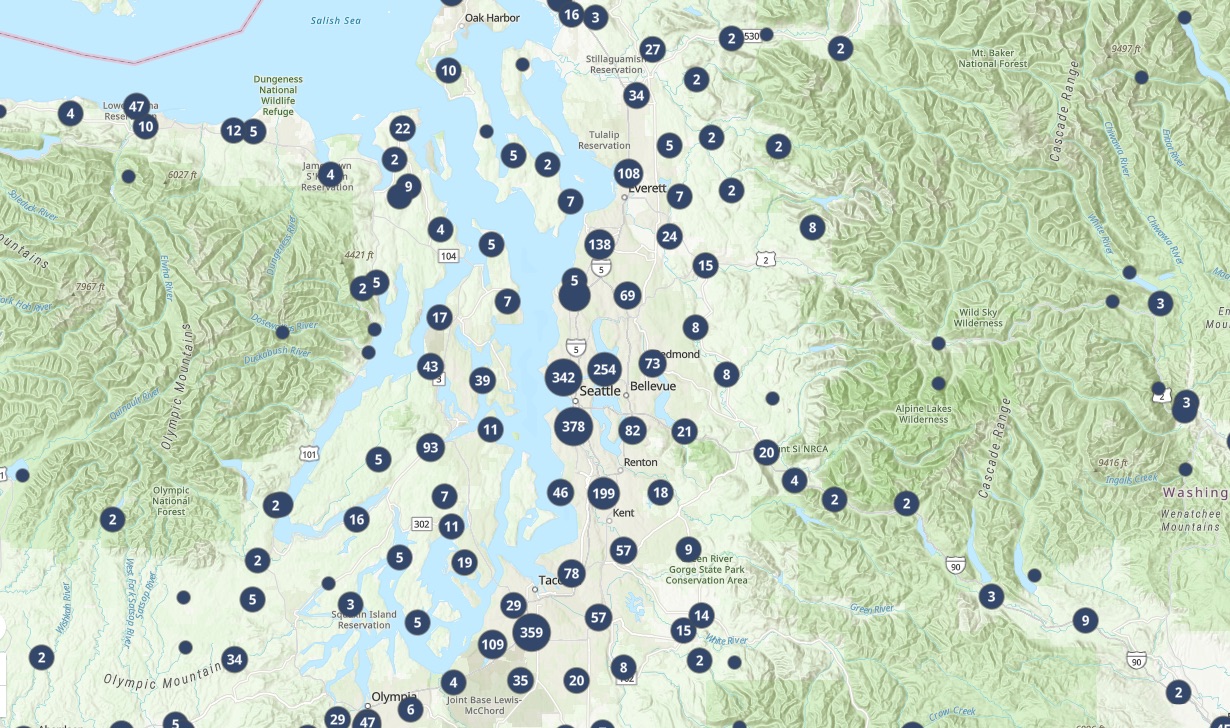
Is there contaminated land in your neighborhood?
WA Ecology regularly updates its list of active, upcoming, and previous Leaking Underground Storage Tanks (LUSTs) cleanup projects. This is a free, useful tool for understanding more about this pervasive source of contamination.
FAQ - 01
What are Trespass and Nuisance Claims?
Property ownership confers the right to enjoy and protect one’s land. But what happens when a neighbor—or an industrial facility down the road—invades that right by damaging your property?
FAQ - 02
What Happens After the Funding Ends?
The end of Superfund funding is not the end of the story for landowners and tenants. Residual contamination, property damage, and health risks may persist for decades. Fortunately, Washington’s MTCA, CERCLA provisions, and common law remedies remain available.
FAQ - 03
Petrochemicals in Washington: Property Owners and the Hidden Costs of Gas and Plastics
Petrochemical facilities remain a part of Washington’s industrial base, but they must not overwhelm the rights of surrounding communities. Transparent monitoring, stricter enforcement, and community engagement are essential to balancing economic activity with environmental justice.
FAQ - 04
Contaminated Soil and Your Property's Value: What Buyers and Sellers Should Know
Real estate transactions are some of the largest financial decisions a family will ever make. In Washington, buyers and sellers alike face a spectrum of challenges in urban and suburban settings: contaminated soil from decades-old sources.
“Environmental laws are designed to be tools of conflict.
But a fight over contamination isn’t David versus Goliath.
It is right versus wrong.”
john O’Meara